
The Money MarkUp
Sep 03, 2026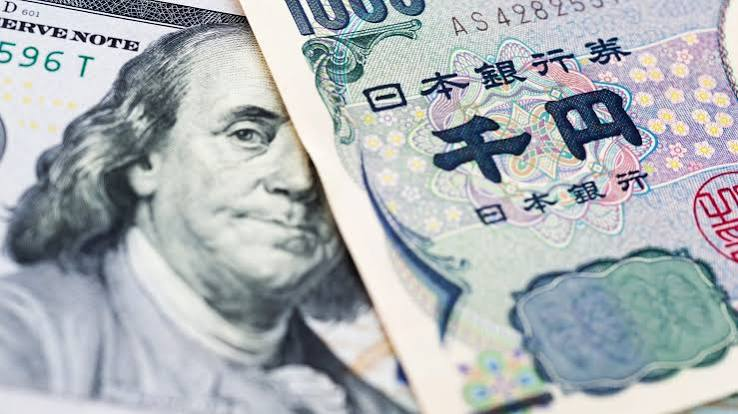
Stocks get all the attention. They’re louder, sexier and considerably more fun to talk about at dinner. But while everybody’s busy watching the ticker tape, the bond market has quietly walked into the room and started rearranging the furniture. Yields are climbing around the globe, which means the price of money itself is changing. It may not make for the flashiest headline, but when money gets more expensive, eventually everybody gets the bill.
The U.S. 10-year Treasury yield briefly pushed above 4.8% this week, its highest level in nearly three years. Germany is seeing yields not touched since 2011, the U.K.’s 30-year yield climbed to its highest since 1998, and Japan’s 10-year government bond crossed 3% for the first time since 1996. Inflation is hanging around longer than anyone invited it to, energy costs are up, governments need mountains of money, and corporations—hello, AI buildout—are lining up to borrow plenty of it too. There are different pressures at work around the world, but they’re all landing us in roughly the same place: borrowing money is getting more expensive.
And that changes the math everywhere. Mortgages, business expansion and corporate debt all get pricier, while stocks suddenly have some real competition for investor dollars. If Uncle Sam is willing to pay you close to 5% to lend him money, that high-flying growth stock with a gorgeous story and a nosebleed valuation has a little more explaining to do. It doesn’t mean stocks automatically lose, but investors have a pretty compelling alternative sitting on the other side of the table now.
Which brings us to Japan, because this is where the story gets especially juicy. For decades, Japan has basically been global finance’s cheap-money hookup. Investors borrowed yen at rock-bottom rates, converted it into other currencies and put that money to work wherever they could earn more. That yen carry trade worked beautifully as long as Japanese rates stayed low and the yen stayed weak—and it worked for so long that markets practically started treating cheap Japanese money like a birthright. Now Japan’s 10-year yield has crossed 3% for the first time in thirty years, and suddenly one of the assumptions baked into global markets for decades doesn’t look quite so permanent.
Higher Japanese rates make borrowing yen more expensive, and a stronger yen makes paying it back more expensive too. That gives investors a reason to unwind those trades, which can mean selling assets elsewhere and buying yen to close their positions. At the same time, Japanese institutions may decide they don’t need to send quite so much capital overseas hunting for yield when they can finally find some at home. After decades of Japanese money wandering the globe looking for somewhere better to live, home is starting to look a whole lot more attractive.
But don’t confuse the old Japan trade changing with Japan no longer being a trade. A stronger yen can squeeze the big exporters that benefited from a weaker currency, while higher rates can be a gift to Japanese banks and insurers that spent decades trying to make money in a near-zero-rate world. Domestic companies and consumers can benefit from cheaper imports as well. And for U.S. investors, unhedged Japanese exposure adds another interesting wrinkle: if Japanese stocks cooperate while the yen strengthens, currency appreciation can become part of the return rather than something to hedge away. The Japan opportunity may not be disappearing at all—it may simply be changing addresses.
So while everyone debates why bond yields are rising this week, we’re more interested in what those higher yields actually change. Capital is being repriced from Washington to London to Frankfurt to Tokyo, and Japan may be giving us an early look at what happens when one of the financial world’s longest-running assumptions finally gets challenged. When the price of money changes, something else always gets repriced with it—and that’s where we start looking for opportunity.