SEC ANNOUNCEMENT: TOKENIZATION
Sep 18, 2026
AI in a world of tokenization to me a much more scary than just AI but thats another discussion.
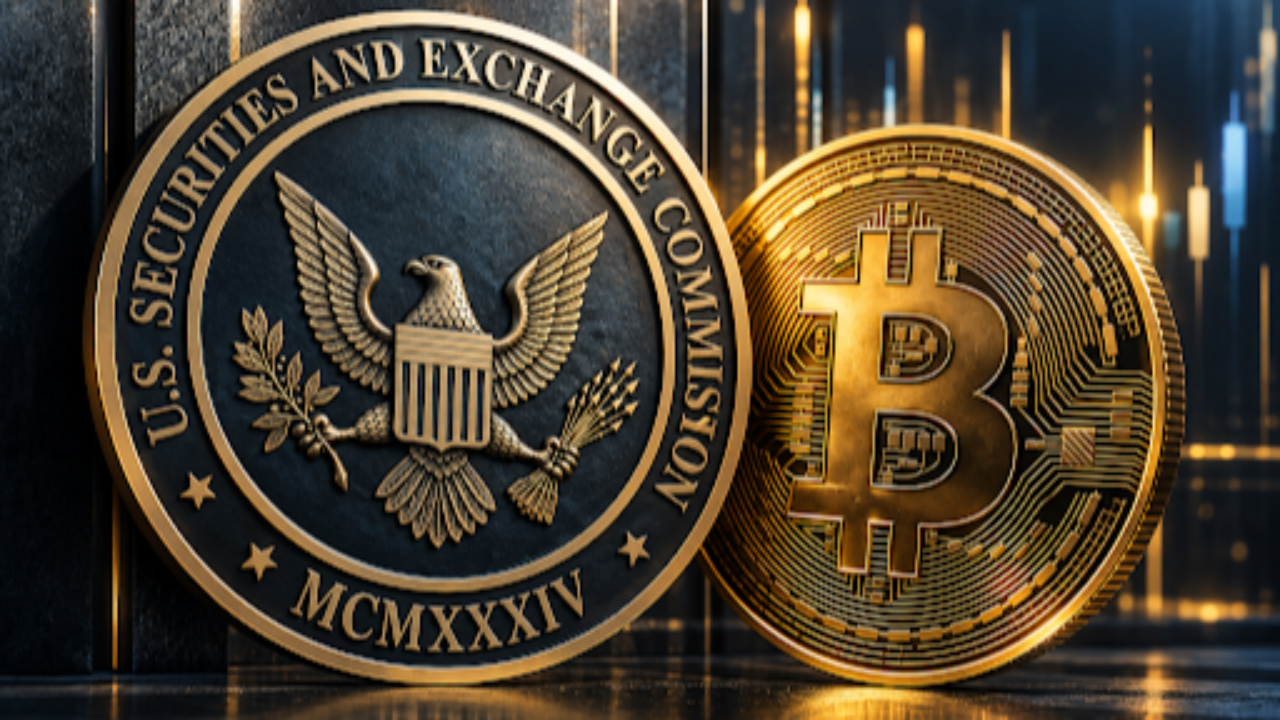
SEC announced yesterday that ls allowing tokenization of stocks.
This is a major step toward rebuilding the stock market on blockchain infrastructure—but it does not mean the entire market suddenly trades 24/7 today.
A tokenized stock is a digital representation of an actual share. For example, one token representing Apple stock could give its owner the same economic and legal rights as one traditionally recorded share of Apple:
Ownership in the company
Dividends
Voting rights
Participation in gains and losses
The important distinction is that the SEC’s pathway applies to tokens connected to genuine stock ownership. It does not cover a synthetic token that merely tracks Apple’s price without providing ownership rights.
What the SEC actually did
The SEC established a five-year regulatory exemption allowing qualifying platforms to facilitate trading in tokenized stocks and other securities without immediately satisfying every requirement imposed on traditional exchanges such as the NYSE and Nasdaq.
It also provides certain liquidity providers with temporary relief from dealer-registration requirements. Platforms must notify a company before tokenizing its shares, and the company can object. Reuters’ report on the SEC action (https://www.reuters.com/world/us-securities-regulator-rolls-out-five-year-exemption-tokenized-stock-trading-2026-09-17/)
“Effective immediately” means platforms may begin pursuing this pathway now. It does not mean your Schwab or Fidelity account automatically offers tokenized stocks or that every stock begins trading around the clock.
Why the SEC is doing it
The current stock-market system has several separate layers:
You place an order through a brokerage.
The order reaches an exchange or trading venue.
A clearing organization confirms the transaction.
Custodians and recordkeepers update ownership.
Cash and securities are finally settled.
Tokenization can place trading, ownership records and settlement on connected digital infrastructure. In theory, that reduces the number of handoffs required to complete a transaction.
The SEC is essentially establishing a regulated testing lane: let qualified firms develop the market for five years while retaining investor protections and collecting evidence before making the framework permanent.
What it could accomplish
The biggest potential benefits are:
Near-24/7 trading: Stocks could trade beyond the traditional 9:30 a.m.–4:00 p.m. session, including weekends.
Faster settlement: Ownership and payment could potentially exchange almost immediately instead of relying on the normal T+1 process.
Fractional ownership: Investors could purchase a specific dollar amount instead of an entire share.
Global access: Foreign investors could gain easier access to U.S. securities across different time zones.
Lower infrastructure costs: Fewer intermediaries and reconciliations could reduce clearing, settlement and recordkeeping expenses.
Programmable securities: Dividends, corporate actions, collateral transfers and ownership restrictions could eventually be processed automatically.
Easier movement of assets: Tokenized securities may eventually move between approved platforms with fewer operational barriers.
Federal banking regulators have already said an eligible tokenized security carrying identical legal rights should generally receive the same capital treatment as its traditional counterpart. Federal Reserve tokenized-securities guidance (https://www.federalreserve.gov/supervisionreg/capital-treatment-of-tokenized-securities-faqs.htm)
What it does not accomplish yet
This order does not automatically:
Convert existing brokerage shares into tokens
Guarantee that every token can be redeemed for an underlying share
Force public companies to participate
Eliminate brokers, custodians or market makers
Guarantee deep liquidity during overnight or weekend hours
Make blockchain trading risk-free
Turn tokenized stocks into cryptocurrencies
The details of each product will matter enormously. Investors will need to determine who legally owns the underlying stock, who holds it, whether the token is redeemable and what happens if the platform fails.
The investment significance
This could eventually be as important to market infrastructure as electronic trading was when markets moved away from paper certificates and trading floors.
The likely winners include exchanges, brokerages, stablecoin providers, digital custodians, transfer agents and blockchain infrastructure companies that can operate within the regulatory framework. Traditional firms such as the NYSE are already developing digital platforms intended to support continuous trading and on-chain settlement. Reuters on the NYSE initiative (https://www.reuters.com/business/nyse-parent-intercontinental-exchange-develops-platform-247-tokenized-securities-trading-2026-01-19/)
The disruption could fall on businesses whose economics depend heavily on slow settlement, closed operating hours and multiple layers of recordkeeping.
The biggest market risk
Twenty-four-hour access does not guarantee good execution.
Overnight and weekend markets may initially have:
Wider bid/ask spreads
Lower liquidity
Sharper reactions to news
More fragmented prices across platforms
Greater technology and custody risks
New opportunities for manipulation
In other words, tokenization can make markets faster and more accessible—but it can also make them less forgiving.
My bottom line: The SEC has not turned stocks into crypto. It has opened a regulated pathway for real securities to use blockchain technology. The ultimate goal is a faster, less expensive and potentially always-open financial market. This is the beginning of that transition, not its completion.