Geopolitics just walked back into the oil market—and it didn’t come quietly.
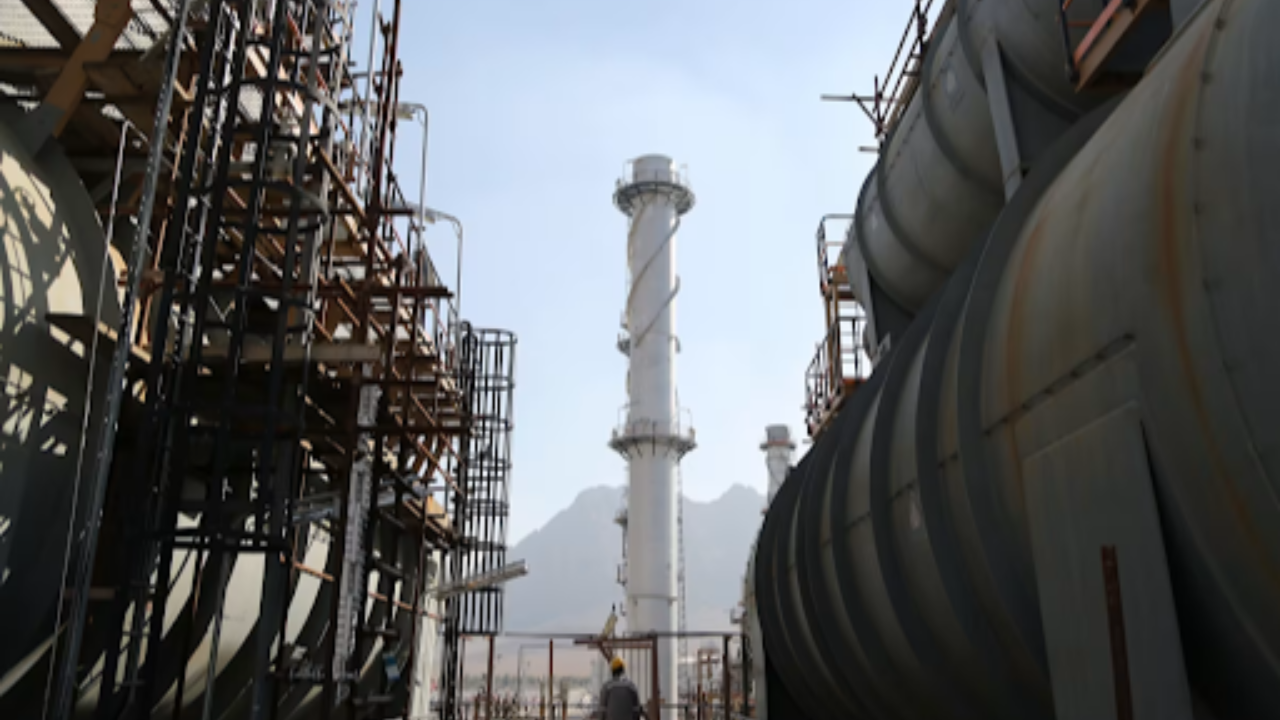
The U.S. is weighing potential action against Iran as protests spread and the regime shows real signs of stress. President Trump has hit pause for now, taking a “watch and see” stance, but markets didn’t wait. Crude moved fast because Iran isn’t a side character in energy—it’s a main one. The country holds the world’s third-largest proven oil reserves and sits on one of the most important oil chokepoints on Earth. When Iran sneezes, oil prices reach for the tissues.
Despite heavy sanctions, Iran still produces about 3.2 million barrels a day—roughly 4% of global supply. That number understates its influence. Before the 1979 revolution, Iran pumped more than twice that amount, and it still sits on more than 200 billion barrels in reserves. Like Venezuela, most of its oil now quietly flows to China at discounted prices. Unlike Venezuela, Iran is too big to ignore. Any disruption there shows up immediately in global pricing.
We saw it in real time. Crude jumped above $61 on fears of escalation, then slid back below $60 after Trump suggested an attack wasn’t imminent and that violence inside Iran appeared to be easing. That drop didn’t erase risk—it just trimmed the fear tax. The market is still charging a premium for uncertainty.
Meanwhile, supply is quietly coming back online elsewhere. U.S. inventories surprised to the upside. Venezuelan barrels are re-entering the market, with the U.S. already selling its first cargo for roughly $500 million and more expected. On the demand side, China keeps buying at record levels, and OPEC sees steady demand growth into 2027—pushing back on the popular “glut” narrative.
The takeaway: oil isn’t trading headlines—it’s translating incentives. Fear pushes prices up fast. Relief pulls them back just as quickly. The real signal is what price does after the panic fades. In markets like this, understanding the language of price matters far more than reacting to the noise.
Joe Casey
Author
Joe Casey, a seasoned entrepreneur, has built and sold eight businesses, including his financial practice in 2020. Now, he guides financial advisors, professionals, and business owners to achieve their full potential through investment strategies, personal growth, and business development.