
SpaceX, Starlink, and the Coming Wall Street Launch
Jun 02, 2026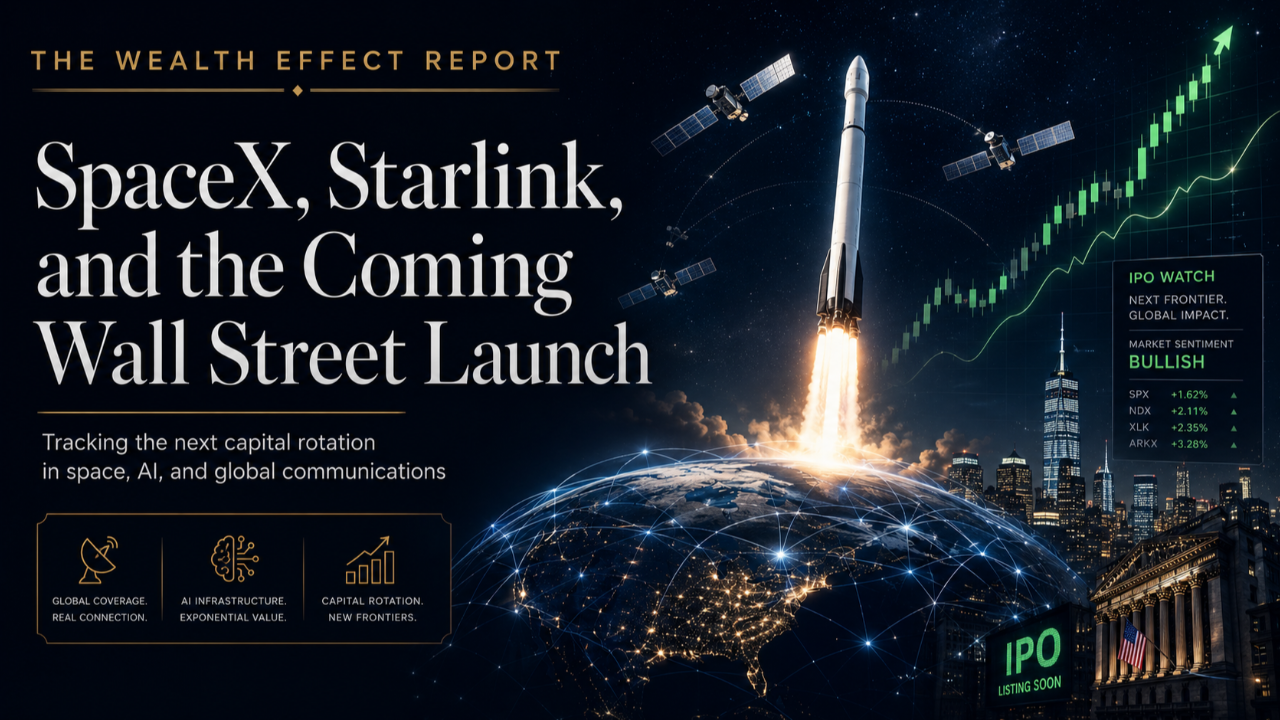
Wall Street may be standing in front of one of the most anticipated public market events of the decade.
After years of building SpaceX into one of the most powerful private companies in the world, Elon Musk is preparing to take the company public.
And if the current expectations hold, this would not be just another IPO.
This could be a defining moment for the next phase of the technology market.
SpaceX is not simply a rocket company anymore. It has evolved into a sprawling ecosystem touching satellite internet, global communications, defense, artificial intelligence infrastructure, orbital computing, and the future of data transmission.
In other words, this is much bigger than a launch pad.
This is about the next great capital rotation.
For years, investors have watched Musk move markets through Tesla, Bitcoin, artificial intelligence, and space exploration. But SpaceX may represent the most ambitious chapter yet.
The early estimates are staggering.
Reports suggest SpaceX could command a valuation that reaches into the trillion-dollar range, with a potential IPO that could become one of the largest public debuts in market history.
For perspective, Alibaba currently holds one of the largest IPO records on American exchanges, raising roughly $25 billion in its public debut.
SpaceX could potentially dwarf that number.
And that is why Wall Street is paying attention.
But here is the important part.
The biggest money in IPOs is often not made by the investors who rush in on day one. In many cases, the most significant gains are captured by those who gain exposure before the public trading frenzy begins.
We have seen this pattern again and again.
A high-profile company goes public. The stock opens with enormous demand. Retail investors flood in. The price spikes in the opening minutes. Then, after the excitement fades, early investors begin selling into the demand.
The result?
The public often buys the excitement while early investors harvest the profit.
That does not mean every IPO fails after the opening bell. But history shows that chasing a hot IPO on day one can be dangerous, especially when the media cycle is running at full speed. The IPO usually falls dramatically in the beginning.
I remember buying Facebook on IPO day at $30 dollars back in 2013. It dropped to $17 and almost a year and half later superseded $40. Today Facebook is over $700.
That is why the SpaceX story deserves a deeper look.
Because the opportunity may not be limited to buying SpaceX after it goes public.
The real question is this:
How can investors gain exposure before the crowd rushes in?
Why SpaceX Matters
SpaceX changed the economics of space.
For decades, space travel was dominated by government programs, massive budgets, and one-time-use rocket systems. Rockets were launched, parts were discarded, and the cost of each mission remained extremely high.
SpaceX attacked that model directly.
By developing reusable rocket technology, the company dramatically improved the cost structure of launching payloads into orbit.
That changed the game.
Today, SpaceX is deeply tied to NASA missions, commercial satellite launches, defense-related projects, and global communications infrastructure.
But the real engine of the business may be Starlink.
Starlink is SpaceX’s satellite internet network, designed to provide high-speed internet access across the world, especially in areas where traditional infrastructure is limited, unreliable, or unavailable.
This includes rural regions, remote communities, developing markets, maritime operations, aviation, emergency response, and even countries where governments restrict internet access.
That gives Starlink more than a technology story.
It gives it a global utility story.
And investors love companies that sit at the intersection of technology, infrastructure, and recurring revenue.
Starlink is expected to become one of SpaceX’s most important revenue drivers, and some estimates suggest it could represent the majority of the company’s top line.
That matters because Wall Street does not just value rockets.
Wall Street values scalable networks.
And Starlink is building one.
The AI Connection
The SpaceX story is becoming even more important because of what is happening in artificial intelligence.
AI is creating explosive demand for data centers, computing power, energy, cooling, chips, storage, and global connectivity.
The world is entering a period where data infrastructure may become one of the most important investment themes on the planet.
And Elon Musk appears to understand this.
The bigger vision may involve combining satellite networks, artificial intelligence, data infrastructure, and potentially space-based computing into one integrated ecosystem.
That is where the story becomes truly fascinating.
Traditional data centers consume massive amounts of energy, especially for cooling. As AI workloads increase, the pressure on power grids and energy infrastructure will continue to rise.
Space-based data infrastructure may sound futuristic, but the logic is simple.
In orbit, extreme cold and constant solar exposure could potentially create new ways to power and cool future computing systems.
That does not mean the opportunity is fully proven yet.
But it does mean SpaceX is positioned near several of the most important technology themes of the next decade:
Satellite communications.
Artificial intelligence.
Data infrastructure.
Global internet access.
Defense modernization.
Energy efficiency.
Space-based computing.
That is why this potential IPO has the market’s attention.
It is not just about today’s revenue.
It is about where the next decade of capital could flow.
The Indirect Exposure Before Space X IPO
For most investors, getting direct access to SpaceX before the IPO is extremely difficult.
Pre-IPO shares are typically reserved for institutional investors, venture capital firms, private equity groups, employees, and accredited investors who meet specific financial requirements.
That leaves many everyday investors on the outside looking in.
But there may be indirect ways to gain exposure.
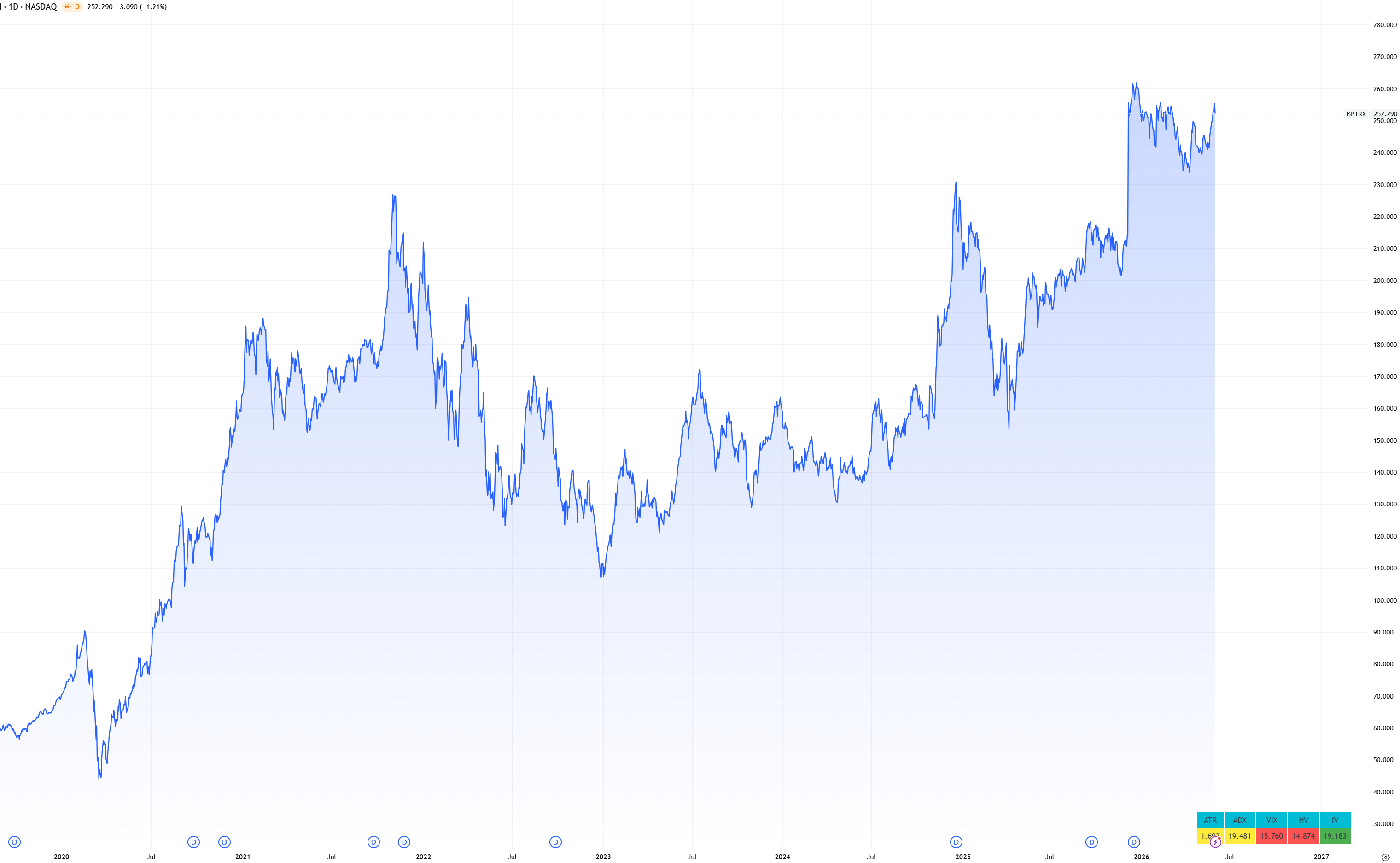
One of the most discussed options is the Baron Partners Fund, ticker BPTRX.
The fund has historically held a significant position in SpaceX, along with other major growth companies. Baron has also been known for making early investments in transformational businesses, including Tesla.
The Baron Partners Fund (BPTRX) has an allocation of approximately 33% of its portfolio in SpaceX, making it one of the largest and most widely recognized publicly accessible funds with exposure to the aerospace company
For long-term investors, the appeal is simple.
Rather than trying to chase SpaceX on IPO day, a fund like Baron may provide indirect exposure to the company before it becomes publicly traded.
That does not make it risk-free.
The fund has its own holdings, fees, volatility, minimum investment requirements, and platform availability considerations.
But for investors who want exposure to the SpaceX theme, it is one avenue worth studying. The price seems to be following the same structure of the SP500
Another vehicle that has drawn attention is the ERShares Private-Public Crossover ETF, ticker XOVR.
This ETF is designed to provide exposure to late-stage private companies along with innovative publicly traded businesses operating in high-growth sectors.
For traders or investors looking for more flexible exposure to the private-to-public crossover theme, XOVR may also be worth monitoring.
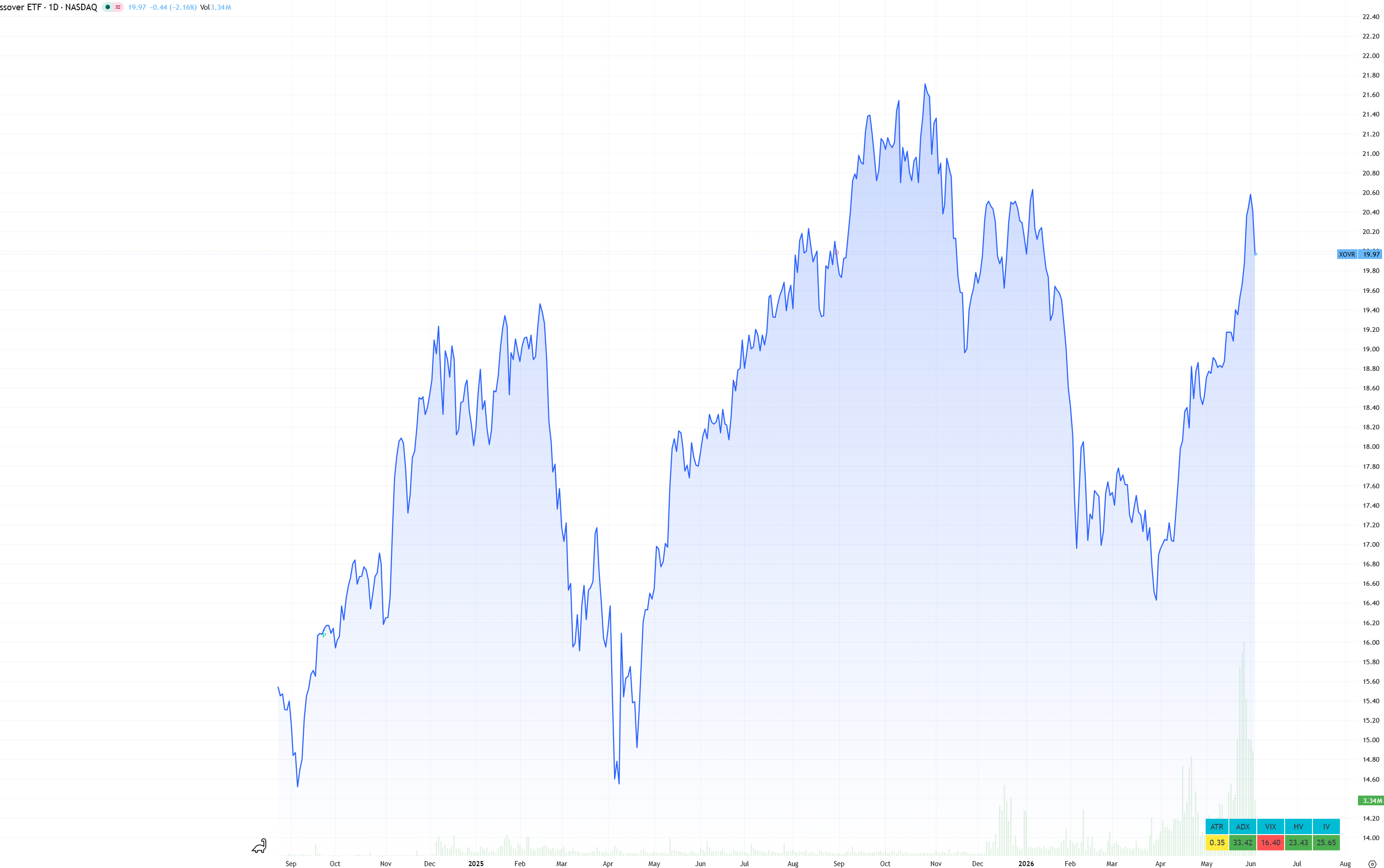
This price seems a lot lower. The Ticker is a lot newer than the Barons Partner Fund.
The ERShares Private-Public Crossover ETF (NASDAQ: XOVR) holds approximately $281 million to $292 million in SpaceX exposure. This allocation represents about 23% of the fund's total assets, giving it one of the largest and most concentrated SpaceX positions of any publicly traded ET
Again, this is not a blanket recommendation.
It is a market structure observation.
When a major company is approaching a public debut, money often begins flowing into the vehicles that already have exposure before the IPO. That is where investors need to pay attention.
Market Observation: Destiny Tech100 Adds Another Angle to the SpaceX Story
Lastly, another interesting vehicle to watch is Destiny Tech100, ticker DXYZ. The fund reportedly has approximately 16.2% of its portfolio allocated to SpaceX, making the rocket and satellite company its largest single holding.
What makes DXYZ notable is that it gives retail investors a way to gain indirect exposure to private, pre-IPO innovation companies that are normally difficult to access. Along with SpaceX, the fund also holds positions in other major private technology names, including OpenAI, xAI, Anthropic, and Databricks.
That makes DXYZ more than just a SpaceX proxy. It is really a basket of private-market innovation tied to several of the biggest themes driving capital today: artificial intelligence, data infrastructure, space technology, and next-generation communications.
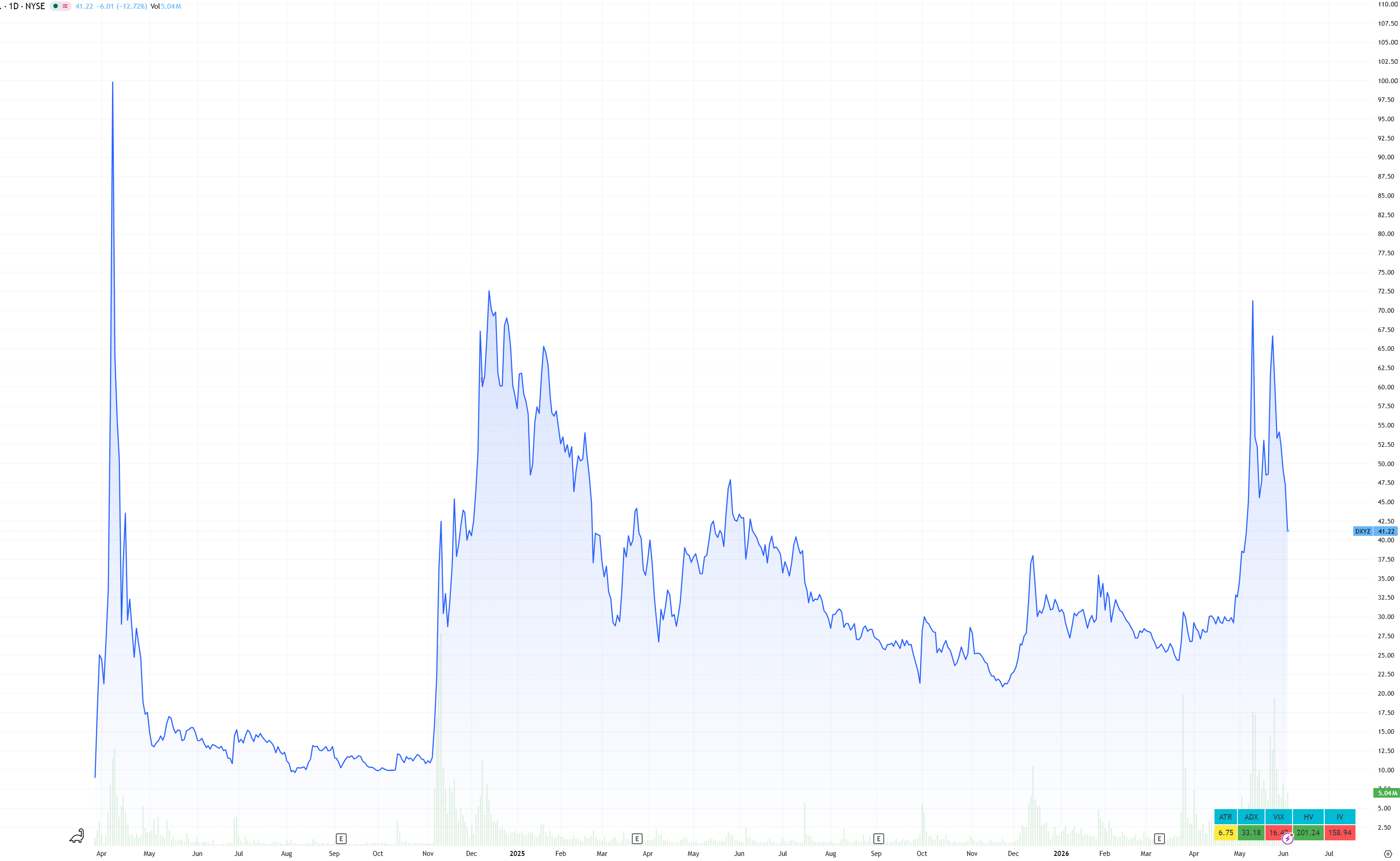
However, investors should understand the structure. Destiny Tech100 operates as a closed-end fund, which means the market price can trade at a premium or discount to the underlying value of its holdings. In other words, investors are not just buying exposure to SpaceX and private tech. They are also buying the market’s perception of that exposure.
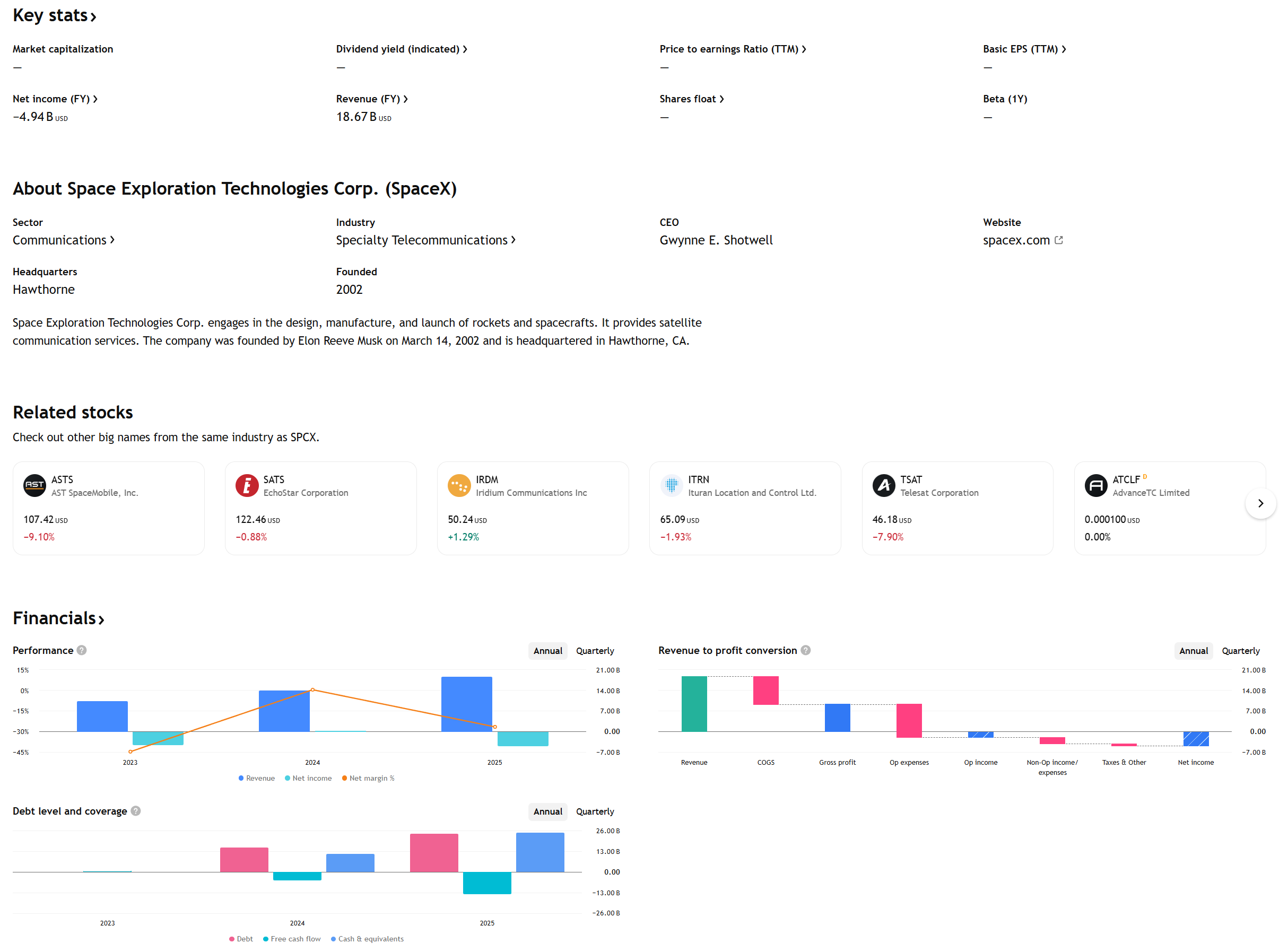
SpaceX IPO Ticker Info:
SpaceX is targeting an IPO price of $135 per share. This planned offering aims to raise up to $75 billion, making it one of the largest and most historic initial public offerings in Wall Street history
The Wealth Effect Bottom Line
SpaceX may become one of the most important IPO stories Wall Street has seen in years.
But the bigger story is not just the IPO.
The bigger story is capital rotation.
Money is moving toward companies tied to space, satellite infrastructure, global data, artificial intelligence, defense, communications, and next-generation energy solutions.
SpaceX sits at the center of all of those themes.
And when a company sits at the center of multiple trillion-dollar trends, Wall Street pays attention.
For disciplined investors, the goal is not to chase the headline.
The goal is to read the market’s language.
Where is institutional money flowing?
Where is momentum building?
Where are investors positioning ahead of the crowd?
And where is the next major theme beginning to take shape before the public fully understands it?
That is the real opportunity.
SpaceX may be launching rockets.
But Wall Street may be preparing for a launch of its own.
And as this story develops, investors should be watching closely — not with emotion, not with hype, but with structure, discipline, and a clear understanding of where capital is moving next.
I personally have some investments in Barons and will look to buy SPCX a few weeks after launch.