AMD Outperforms, Market Hits Snooze
Feb 05, 2026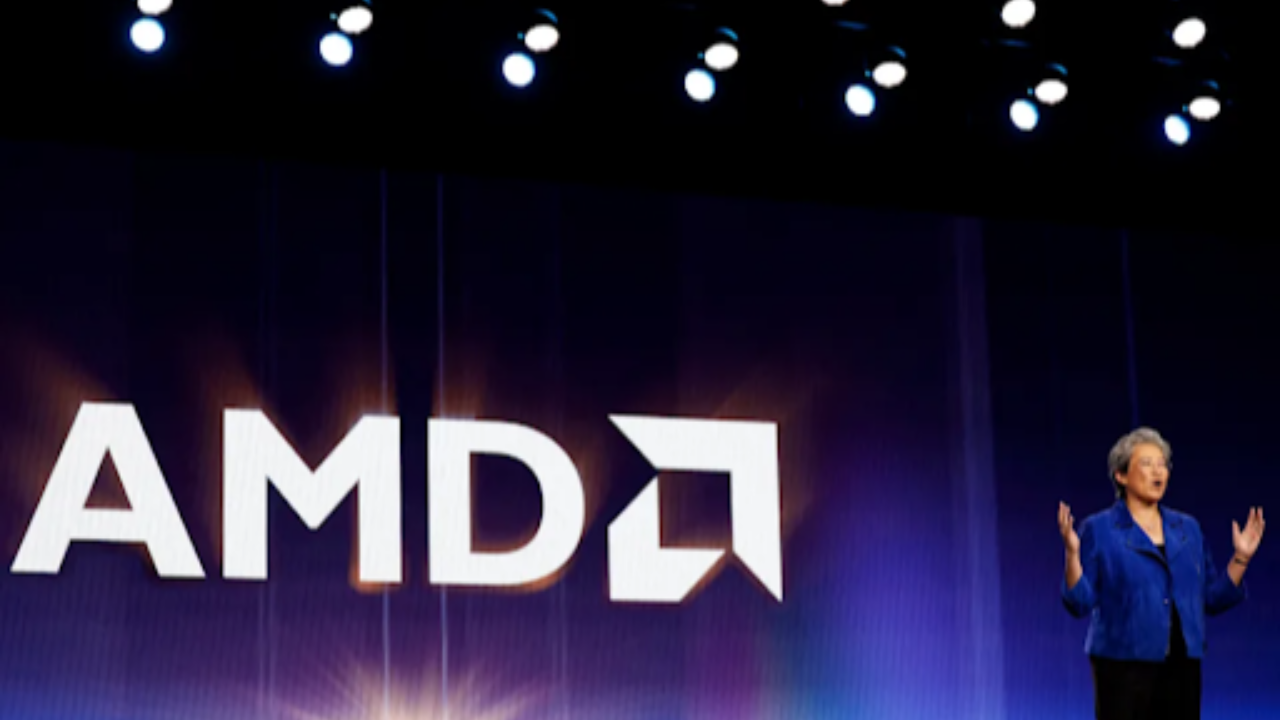
AMD did what it was “supposed” to do. It beat earnings, beat revenue, and raised guidance. And the stock still fell. That’s not a bug—it’s the market reminding investors that expectations were already priced in. AMD posted $1.53 in EPS on $10.3 billion in revenue, well ahead of Wall Street estimates, with data center revenue—the heart of the AI story—coming in hot at $5.4 billion. Q1 guidance also topped consensus. On paper, it was a clean win.
But markets don’t pay you for what you did. They pay you for what comes next, relative to expectations. Right now, investors are asking a harder question: how much capital does this AI arms race really require, and who actually keeps the margin? We’ve already seen this tension play out. Microsoft was punished for rising AI spend, while Meta was rewarded despite its own surge in capital expenditures. Same theme, different narrative—and AMD is caught in the middle.
Yes, AMD is pushing aggressively. New Helios rack-scale AI servers. Next-gen MI500 GPUs. Bold claims of exponential performance gains. A $1 trillion AI data center market by 2030. The ambition is real, and the incentive to invest is obvious. But so is the competition. Nvidia isn’t standing still, and AMD’s biggest customers—Google, Amazon, and Microsoft—are increasingly building their own chips. That quietly shifts the power dynamic.
Meanwhile, pressure is building elsewhere. PC and gaming segments face pricing risk from global memory shortages, and demand elasticity is back in focus. Growth is still there—but it’s not frictionless. This wasn’t about AMD missing. It was about the market saying: show me the margins, show me the moat, show me the next leg.
In hype cycles, execution is table stakes. Ownership flows to whoever controls cost, scale, and leverage when the narrative cools. That’s the real signal hiding in this week’s price action—and a textbook example of The Wealth Effect at work.
The Takeaway:
AMD’s quarter is solid, but the stock is reminding us that it’s not just about growth—it’s about margins, moats, and what really sticks when the hype fades. Watch execution, not headlines, and let the data guide your next move.