
Risk Back in the Barrel
Feb 19, 2026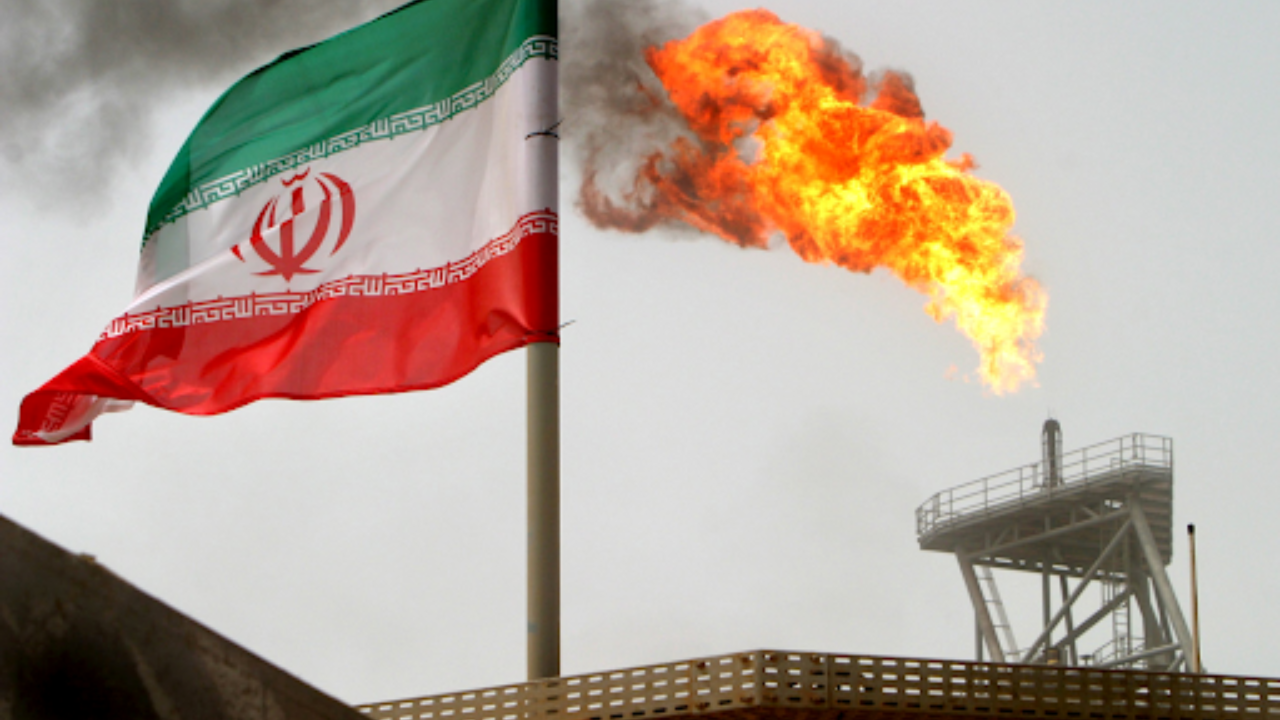
Energy markets shifted quickly this week as geopolitical uncertainty in the Middle East pushed crude prices higher. After months of prices being weighed down by global supply conditions, traders are now pricing in the possibility that tensions between the U.S. and Iran could tighten the oil balance and influence markets more broadly.
Brent Crude climbed above $71 per barrel, while West Texas Intermediate traded north of $66 — levels not seen in several months. The move follows a significant rally midweek as concerns over potential military action and stalled diplomacy between Washington and Tehran pushed a risk premium back into energy markets.
The focus for traders has been the Strait of Hormuz, a narrow corridor that carries about one-fifth of daily global oil flows. Reports of increased military activity from both sides, combined with Iran’s recent exercises around the strait, have raised the market’s sensitivity to supply risk — even without an actual disruption.
That sensitivity matters because oil is a foundational input in the global economy. Sustained upward pressure on crude can feed into transportation and manufacturing costs and, over time, influence inflation expectations and central bank policy. In this case, the market isn’t reacting to confirmed changes in supply but to the perceived odds of future disruption.
History shows that geopolitical spikes can unwind if tensions ease or diplomacy advances. For now, however, the price action suggests that energy markets are assigning a higher probability to risk in the Middle East — and that uncertainty is being reflected in prices well before any definitive outcome is known.